Personalized Medical Care & Dedicated International Patient Concierge

Medical Guide
Korean Facial Aging: Rising Demand for Non-Surgical Regenerative Care
As the Korean population shifts toward a "super aged" society, the aesthetic landscape is undergoing a fundamental transformation.
Schedule a ConsultationAs the Korean population shifts toward a "super-aged" society, the aesthetic landscape is undergoing a fundamental transformation. Recent data from the Korean Association of Aesthetic & Anti-Aging Medicine indicates a 15% annual increase in patients seeking non-surgical alternatives to traditional facelifts. This shift is driven by a growing desire for natural-looking, long-term structural improvement rather than temporary volume masking. For both local patients and those traveling to Seoul for medical care, the focus has moved toward Regenerative Aesthetic Protocols—a category of treatments designed to stimulate the skin’s biological repair mechanisms.
# Why Is Regenerative Aesthetic Care Trending in Korea?
Modern Korean aesthetic standards have evolved from rapid, superficial fixes to high-precision, health-oriented maintenance. A nationwide survey of clinics in the Gangnam district suggests that over 60% of patients aged 40–60 now prioritize "prejuvenation"—the practice of addressing structural aging before it becomes severe. This change reflects a broader cultural emphasis on biological vitality, where the skin’s quality and structural integrity are viewed as markers of overall systemic health.
# Limitations of Conventional Anti-Aging Approaches
Traditional approaches to facial aging often rely on techniques that provide immediate but sometimes temporary results. While effective, they frequently carry trade-offs regarding recovery time, unnatural facial expressions, and the need for repeated interventions.
- Dermal Fillers: Offer immediate volume but require maintenance every 6–12 months and can lead to a "puffy" or over-filled appearance if used excessively.
- Traditional Facelifts: Provide dramatic results but involve significant surgical downtime (2–4 weeks), potential scarring, and risks associated with general anesthesia.
- Surface-Level Lasers: Highly effective for pigmentation and texture, but do not address deep-layer structural sagging or fascia-level support.
- Financial Cycle: Relying solely on repeated, temporary injections can lead to higher cumulative costs over a 5-year period compared to foundational structural restoration.
# Regenerative Aesthetic Protocols: The Shift Toward Biological Repair
Instead of replacing lost volume with synthetic agents, Regenerative Aesthetic Protocols aim to "reprogram" the skin’s own cells to produce collagen and elastin. By targeting the fascia and dermal layers, these protocols enhance the body’s innate ability to support the facial structure.
## How Do Regenerative Protocols Work?
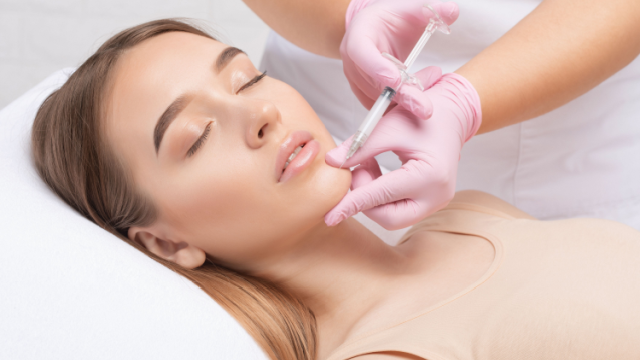
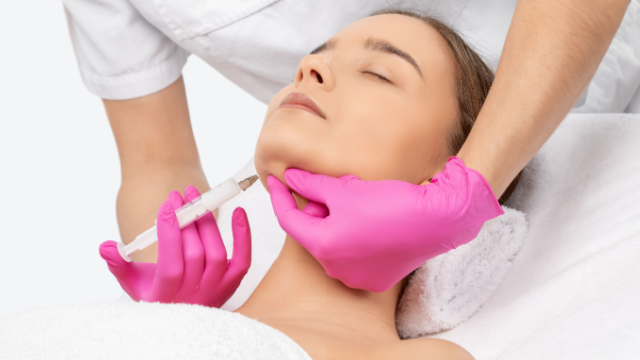
These protocols utilize a combination of energy-based devices and biological stimulation. By applying controlled thermal energy (such as Monopolar RF or Ultrasound) to the deep structural layers, practitioners can trigger a wound-healing response. This is often paired with bio-stimulatory injections (like Polynucleotides) that provide the raw materials for cellular repair.
## Q&A: Are Regenerative Protocols in Korea Worth the Cost?
Is this approach cost-effective for my goals?
While the initial investment for a regenerative program may be higher than a single filler session, these protocols often require fewer interventions over time because they address the root cause of sagging. For patients seeking long-term, natural results with minimal downtime, the cumulative value is often higher than managing temporary corrections repeatedly.
# Comparison: Conventional vs. Regenerative Approaches
| Feature | Conventional (Fillers/Surgery) | Regenerative Protocols |
|---|---|---|
| Mechanism | Mechanical volume/Re-positioning | Cellular stimulation/Structural repair |
| Downtime | Variable (Minimal to Significant) | Minimal (Return to life same-day) |
| Duration | 6–12 months (Fillers) | 12–24 months (Structural health) |
| Naturalness | Can appear "artificial" if overdone | High (Relies on own tissue) |
| Patient Goal | Immediate, dramatic change | Gradual, long-term rejuvenation |
# Local Insights: The Future of Aesthetic Care in Seoul
Seoul has become a global epicenter for medical tourism, specifically within the regenerative aesthetic space. The integration of high-tech diagnostics—such as AI-driven facial structure analysis—allows clinics to map an individual’s aging speed and provide a "bioresonance-aligned" treatment plan. With the South Korean regenerative medicine market expected to see significant CAGR growth through 2030, patients have access to increasingly safe, evidence-backed options that blend dermatology with internal wellness.
# Where Maylin Cheongdam Fits in Aesthetic Revitalization in Korea
Maylin Cheongdam specializes in Regenerative Aesthetic Protocols designed for patients who prioritize structural integrity and long-term skin health. The clinic’s approach is defined by:
- Evidence-Based Protocols: Utilizing advanced devices like Sunny RF and LINEAR Z to stimulate deep-layer collagen.
- Personalized Planning: Dr. HyunJun Park and the clinical team develop custom programs based on the patient's unique facial behavior and skin aging rate, rejecting "one-size-fits-all" templates.
- Holistic Integration: Addressing the skin as part of a living system, often incorporating internal health diagnostics to support external aesthetic outcomes.
- Expert Credentials: Led by medical professionals with extensive experience in international aesthetic societies, focusing on safety, precision, and the preservation of natural facial identity.
# Conclusion
As the demand for high-precision, non-surgical solutions continues to climb in Korea, Regenerative Aesthetic Protocols offer a compelling pathway for patients aiming to maintain their vitality. By shifting the focus from masking the signs of aging to supporting the body’s natural repair processes, patients can achieve more sustainable, natural results. Patients considering Regenerative Aesthetic Protocols in Korea can schedule a consultation to discuss whether this approach may be suitable for their specific condition and goals.
More Articles
Continue reading our clinical guides.
Exosome Therapy Seoul Anti Aging Guide Maylin Cheongdam
Learn about exosome therapy Seoul for cellular rejuvenation. Dr. Hyun Jun Park at Maylin Cheongdam offers advanced skin repair. Book your consultation today.
Learn More
LDM Triple Seoul Guide Expert Anti Aging At Maylin Cheongdam
Discover LDM Triple Seoul at Maylin Cheongdam. Experience cellular level skin regeneration and hydration with Dr. Hyun Jun Park. Book your consultation today.
Learn More
Korean Facial Aging: Rising Demand for Non-Surgical Regenerative Care
As the Korean population shifts toward a "super aged" society, the aesthetic landscape is undergoing a fundamental transformation.
Learn More